The Woodland Handshake: How Asking Permission Turns a Strange Wood into a Known One
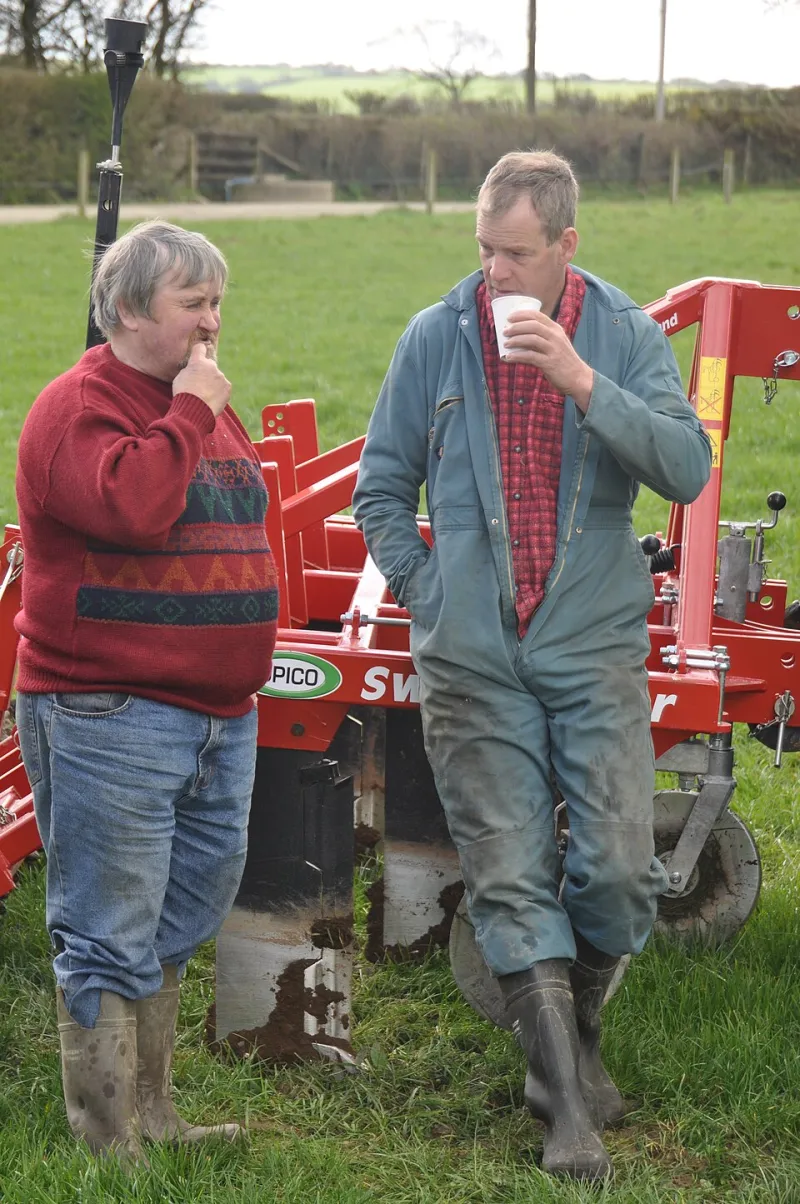
Photo: Lewis Clarke , CC BY-SA 2.0, via Wikimedia Commons
There is a particular kind of quiet that comes with pitching in a wood you have no business being in. Every snap of a twig sounds like a gate latch. Every car headlight through the trunks feels like a torch beam. That quiet is not wildness. It is worry. The better version of a night out — the one where you can sit still and listen to the wood rather than the inside of your own head — often starts with a conversation weeks earlier, at a farm gate or a front door, with mud on your boots and your hat in your hand.
Permission gets a bad name. It sounds like forms, fees and someone in a high-vis tabard saying no. In practice, asking to camp is a bushcraft skill like any other: it rewards preparation, plain speaking and a clear picture of what you will actually do on the land. Done well, it does not close doors. It opens woods you would never have found on a map app, and it turns a one-off stealth pitch into a place you can return to, learn and look after.
First, Work Out Who You Are Asking
British land ownership is a patchwork, and the person who owns the trees is not always the person who owns the field beside them. Start with the obvious: the Land Registry title register will usually tell you who owns a registered woodland for a small fee, though some old estates and unregistered land can be murky. Your local parish clerk or council rights-of-way officer may know the shape of the local patch. Woodland charities and public bodies — the Woodland Trust, Forestry England, the National Trust, local wildlife trusts — are easy to check online, but their rules on camping vary wildly, so read them before you pitch.
For a small copse behind a farm, the farmhouse is usually the right door. Do not shout across a field at someone on a quad bike and assume that counts as a conversation. Walk up to the yard in daylight, keep your distance from machinery, and ask whether they are the right person to speak to about the wood. If they are not, ask who is. That single question saves a lot of wasted Saturdays.
It helps to remember that access and camping are different things. A public footpath through a wood gives you a line to walk, not a licence to sleep. In Scotland, the access code is broader and more generous, but it still asks you to behave sensibly and respect the land; in England and Wales, assume you need a yes unless a site explicitly says otherwise.
The Approach: Brief, Human, and Not a Sales Pitch
Turn up in daylight, avoid harvest, lambing, shooting days and the middle of a storm. Knock, step back from the door, and say who you are and what you want in the first thirty seconds. Nobody wants a five-minute preamble about your love of bushcraft before they know why a stranger is on their step.
A useful opening sounds something like: “I’m a local bushcrafter. I’m hoping to ask about a single night in the top corner of your wood with one other person, and I wanted to check whether that is something you would ever consider.” Then stop talking. Let them ask questions. If the answer is a flat no, thank them and leave it there.
Bring a card with your name, phone number and vehicle registration on it. It is a small thing, but it turns you from an unknown into a person they can ring if something looks wrong. If you have a simple one-page plan — dates, number of people, where you will park, what you will cook on, how you will deal with the toilet, when you will leave — offer to leave a copy. That page is not bureaucracy. It is evidence that you have thought about the land rather than just your own night out.
What to Ask, and What to Offer
Be specific. “Sometime in the summer” is hard to say yes to. “Friday 12 June, arriving after 7pm, leaving by 9am Saturday, two adults, one small stove, no fire” is easy to picture. Landowners are often less worried about the camping itself than about the unknowns: gates left open, dogs, litter, vehicles blocking a track, a fire getting away, or a group that turns into a party.
Offer the things that cost you little and mean something. A small payment is sometimes welcome and sometimes awkward; read the room. Help with a bit of fence work, a litter pick or clearing a footpath can be worth more than cash. Promise to arrive late and leave early, to keep the pitch out of sight of the house if that helps, to carry out every scrap of food and rubbish, and not to cut standing wood or dig a fire pit. If they allow a stove, say so clearly. If they do not want any flame at all, respect it — a flask and a cold supper are a fair trade for a quiet night under good trees.
Be honest about what you cannot control. You can say you accept the risk of being on their land, you will leave it as you found it, and you will send a photo of the pitch when you leave. Do not pretend to be an insurer or a legal expert. Plain honesty goes further than a paragraph of small print.
The One-Page Plan That Does the Work
A good permission plan fits on one side of A4. Put your name and phone number at the top. Add the exact dates and times, the number of people, the vehicle and where it will sit. Name a person who is not on the trip as an emergency contact. Describe your cooking method, your toilet plan, and your rubbish plan. Say what you will do if the weather turns or someone gets hurt. Keep the language simple and the promises realistic.
This is not about impressing anyone with paperwork. It is about making the decision easy. A landowner can read it in a minute and see that you are not going to leave a ring of stones, a bin bag and a bad memory behind you.
When to Walk Away
Some woods should stay unasked and unvisited. If the land is a Site of Special Scientific Interest, ancient woodland, a nature reserve, or an active forestry site, the answer may be no for good reasons that have nothing to do with you. If the farmer is mid-harvest, if there are lambs, calves or a shoot, if the gate is locked and the yard is empty, come back another day or go elsewhere. If the conversation feels hesitant, do not push. A no today is not a permanent no, but a pushy yes is the kind of yes that sours.
Walking away is part of the skill. It keeps the relationship intact for the next person who asks, and it keeps your own conscience clear. The best bushcrafters I know are not the ones who talk their way into anywhere. They are the ones who know when to say thank you and turn the car around.
The Better Night Out
A wood you have been welcomed into feels different. You know where the gate is, you know whose land it is, and you know what you promised. You can sit still without listening for every car. You can watch the wood slow down at dusk without wondering whether you should pack up early. And you can go back next year, with a bit more knowledge and a bit more trust, which is how real wild skills are built.
Asking permission is not the opposite of adventure. It is a craft move that trades a shaky stealth pitch for a known place, a clearer conscience and a better night under the trees. The conversation is part of the trip. Have it well.