Dusk Is the Deadline: Making a Proper Day of Bushcraft
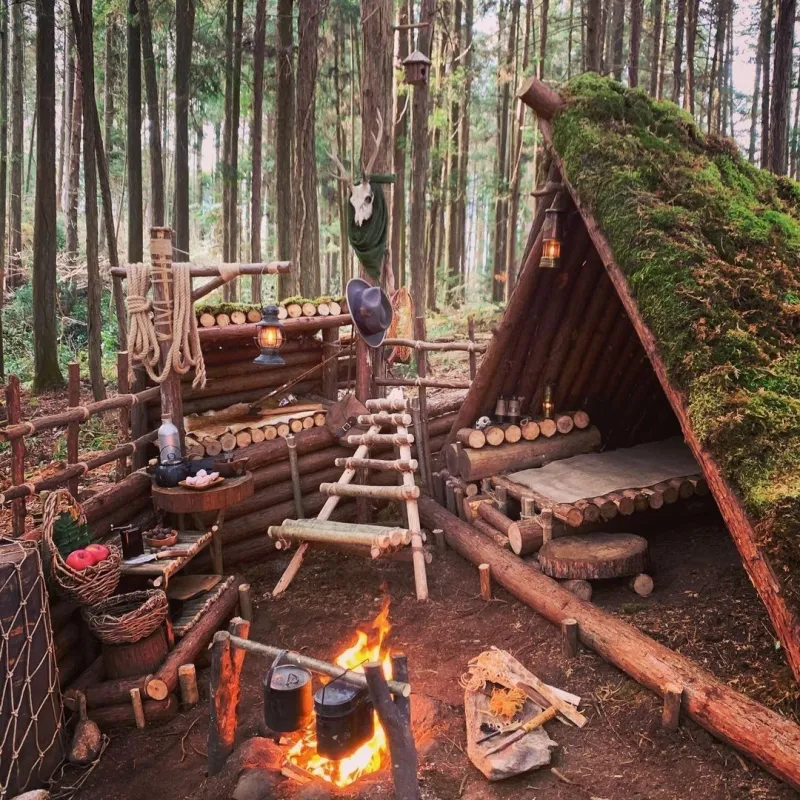
Photo: bushcraft day camp tarp woodland UK autumn cooking outdoors, via i.pinimg.com
Most bushcraft ambitions arrive wearing a headtorch. We picture the overnight: the tarp glowing from inside, the small fire, the owl somewhere beyond the hammock. Fair enough. But there is a quieter version of the craft that gets far less attention, and it may teach you more per hour than the overnight ever will. The day camp. One wood, one stretch of daylight, one temporary setup, and a firm appointment with dusk.
Why stop at dusk?
A day camp is not a lesser overnight. It is a rehearsal with real consequences. You still have to read the ground, judge the weather, choose a pitch, rig a shelter, manage water, cook something hot and clear every trace of yourself. What you do not have is the escape hatch of 'I will sort it in the morning.' The light is going. The wood is getting dim. Packing up is part of the skill.
That deadline sharpens everything. You learn to work in sequence rather than drift. Shelter first, then water, then fire, then food, then the dismantling. You notice how much faffing about you do when there is no overnight bag to fall back on. You also sidestep most of the pressures around wild camping in Britain: the uneasy permission question, the midnight toilet dilemma, the fear of being moved on, the gear load that turns a simple woodland visit into a small expedition.
For a weekend explorer, that is liberating. You can practise in a wood you have permission to use, with a landowner who is happy for you to spend the day but not to stay the night. You can test a new tarp configuration without committing to sleeping under it. You can try a damp-day fire drill, cook one proper meal, and still be home for a late supper.
The kit that earns its place
A day-camp pack should feel almost suspiciously light. Think 30 to 45 litres, not a full expedition haul.
- A 3x3 metre tarp and a handful of cordage. Enough for a windbreak, a shade roof or a quick rain shelter.
- A small groundsheet or sit mat. You will kneel, crouch and eat on the ground more than you expect.
- A metal pot or small billy, a mug, a spoon and a simple stove or fire kit. One hot meal is the target, not a banquet.
- Two litres of water, plus a filter or purification tablets if you are testing a water plan.
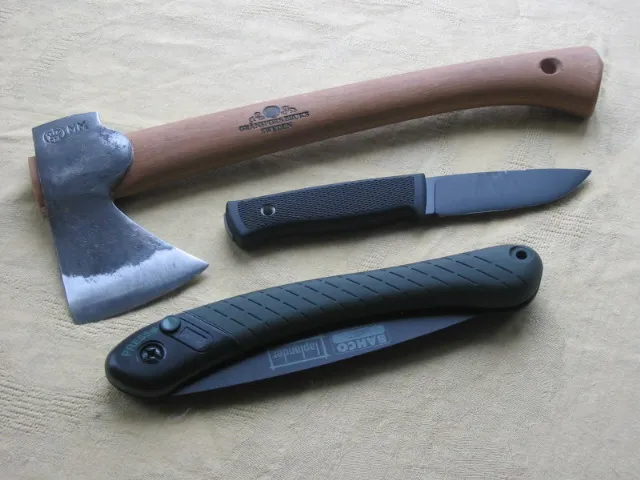
- A folding saw or small knife carried with good reason and within the law. Leave the axe at home. A day camp is not a lumberjack audition.
- Fire-starting kit suited to a British wood: ferro rod, dry tinder in a sealed bag, and a backup lighter.
- Warm layers, gloves, a hat and a headtorch. Dusk arrives faster than the forecast suggests.
- First-aid kit, tick tweezers, a rubbish bag and a proper toilet plan. Yes, even for a day.
- Map, compass and a charged phone. Tell someone where you are going and when you expect to be back.
The point is not to carry less for its own sake. It is to carry exactly what the day demands. Every item you bring has to be used, tested or packed out again.
A rhythm for a British wood
Arrive mid-morning if you can. Walk the boundaries first. Look for the things that are easy to miss when you are eager: hanging deadwood, a wasp nest, a badger sett, a ditch that will fill in rain. Pick a site that can take you lightly. Avoid fragile ground, keep away from water edges and do not clear a pitch. You are a visitor with a deadline, not a tenant.
Rig your tarp low and simple. A plough-point or a basic lean-to is plenty. The aim is to learn how the cordage bites, how the wind behaves and how quickly you can take it down. Then stop. Make a brew. Let the wood settle around you.
Midday is for the hot meal: something honest and one-pot. Soup with bread, noodles with vegetables, a tin of something warmed through. Cook it properly, eat it sitting down and wash up away from the water source. If fires are not welcome, use a stove. A day camp is not a fire competition.
In the afternoon, test one skill you have been avoiding. A damp-day fire drill. A new knot. A water filter. A shelter that has to shed rain. Give yourself an hour, not the whole afternoon. Then begin the leaving ritual at least ninety minutes before dusk. Dismantle the tarp, count the cord, sweep the ground, check for micro-rubbish, and make sure any fire is cold to the touch. Scatter the ash, replace any stones you moved and leave the pitch looking as if nobody had ever been ambitious there.
The polite ask
Access is the quiet key to all of this. In Britain, the right to roam is not a right to camp, and a day camp still needs permission. Ask the landowner, the farm, the woodland trust or the scout camp. Explain that you are arriving and leaving the same day, that you will use a stove or follow their fire rules, that you will carry everything out and that you will keep the group small. A clear plan makes a yes much more likely.
Avoid designated sites, nature reserves and scheduled monuments unless you have explicit permission. Ask where to park, which gate to use and whether any footpaths are closed. Turn up when you said you would. Leave when you said you would. Reputation is a bushcraft tool too.
What a day teaches
A day camp compresses the craft. You learn to make decisions with the light, not against it. You find out which pieces of kit are actually useful and which ones are just comforting weight. You get better at rigging, cooking, extinguishing and packing out because you have to do it all before the wood goes blue.
And you build confidence without pretending you are surviving. You are simply practising, in a real wood, with a real deadline. That is the most underrated way to get better at bushcraft in Britain. The overnight can wait. The dusk will not.