Before the Boots Come Off: A Calm Woodland Tick Routine
There is a moment at the end of a good woodland day when the boots come off, the brew goes on and the trip feels finished. That is exactly the wrong moment to call it done. A quiet tick routine before you sink into the camp chair is one of the simplest low-impact habits you can build. It takes a few minutes, costs very little and lets you keep foraging, walking and camping without bringing home a passenger.
Ticks are not a reason to stay indoors. They are a reason to be tidy about the edges of a trip. The aim is not to turn every walk into a medical drill; it is to make the check as normal as emptying your pockets or shaking out the tarp.
Where ticks wait in a British wood
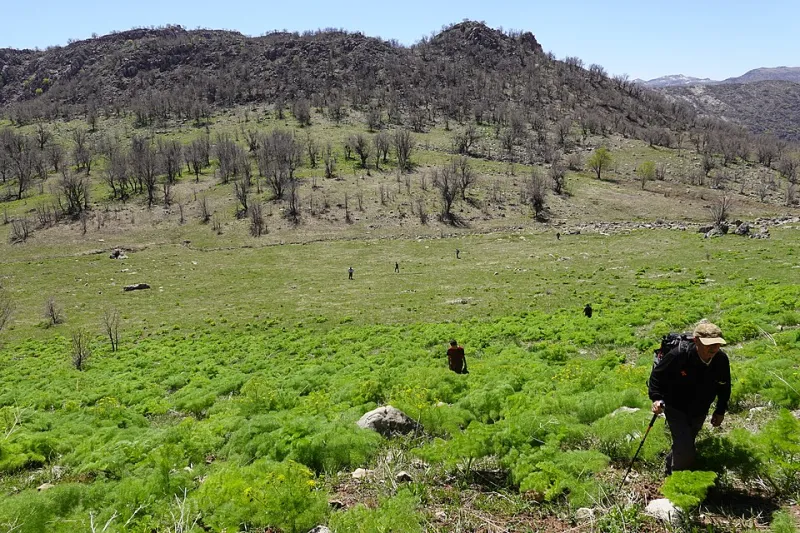
Forget the old story that ticks drop from trees. They wait low, on vegetation, with front legs out like tiny hitchhikers. They favour damp, shaded places and the edges where habitats meet: bracken stands, rough grass, leaf litter, woodland rides, deer paths, hedgerows and the fringes of moorland. Sheep, deer and other animals move them about, so ground that looks peaceful can still be busy.
This is also where low-impact habits help. Stay on established paths where you can, avoid trampling fragile ground just to save a few steps, and do not sit down in deep bracken for a snack. You are not clearing the wood of ticks, and you do not need to. You are simply reducing the chances of picking one up while leaving the place as you found it.
Dress for the edge, not the fear
Light-coloured trousers and long sleeves make ticks easier to spot, and they keep the sun and brambles off too. Tuck trousers into socks or wear gaiters when you are pushing through rough grass. Boots rather than sandals, a hat if you are under trees, and a quick brush-down of your trousers before you get into the car all make a difference.
Repellent has a place, but read the label and use it as directed. UK-licensed products for skin and clothing are not the same thing, and clothing treatments should only be used on fabrics if the label says so. Keep repellent away from children's hands and faces, and apply it yourself for younger kids. Garlic, vitamin pills and old wives' tales are not a plan. Measured use is better than soaking yourself and the campsite in chemicals.
The pack-down sweep
Call it the six o'clock sweep if it helps. Before the boots come off, shake out gaiters and brush down trousers, socks and cuffs. Once you are changed, do a proper check in good light: waistband, armpits, groin, behind the knees, inside the navel, between the toes, around the hairline, ears and neck. These are the warm, tucked-away places ticks prefer.
A buddy check is faster and more reliable than twisting around in a tent mirror. Camp mates can check backs and hairlines; kids can be taught to check each other's arms and legs while an adult takes the more private areas. A phone camera and a small mirror are useful, but not essential. What matters is that the sweep happens before the day dissolves into dinner.
If you find one, remove it properly
Use fine-tipped tweezers or a proper tick-removal tool. Grip as close to the skin as you can and pull steadily upwards. Do not twist, jerk or squeeze the body. Do not paint it with oil, petrol or Vaseline, and do not burn it. Those old tricks can make the tick regurgitate into the bite and make removal harder.
Clean the area afterwards with soap and water or an antiseptic wipe. Note the date and, if you can, take a photo of the tick before disposing of it safely. If a mouthpart stays behind, leave it alone rather than digging about; clean the skin and seek advice if it becomes sore or inflamed. Wash the clothes you wore, and check your pack, gaiters and dog as well.
When to ask for help
Most tick bites are harmless, but Lyme disease is the one to keep in mind. Watch for a spreading rash, sometimes described as a bullseye, and for flu-like symptoms such as fever, headache, tiredness and muscle or joint pain. These can appear days or even weeks after a bite. If you notice any of them, contact your GP and mention the tick bite and where you were walking. Early treatment is straightforward, and there is no prize for toughing it out.
For the 2026 season, the kit list is small: a tick tool in the first aid pouch, a small mirror, repellent you actually read the label on, and the habit of checking before you relax. That is the whole point. A calm routine makes the woodland feel bigger, not smaller.
Teach the habit, not the fear
Kids pick up on tone. Make it a tick patrol rather than a lecture. Show them the warm spots, let them check their own socks and waistband, and keep the language matter-of-fact. Camp mates can do the same for each other. The more normal the check feels, the more likely it is to happen on a wet evening when everyone is tired and hungry.
A good trip should follow you home in the form of muddy boot prints and a better night's sleep, not a passenger. Check early, remove carefully, and carry on. The wood is better for it, and so are you.