Charity-Shop Steel and Car-Boot Wool: Kitting Out a Woodland Weekend for Under Fifty Quid
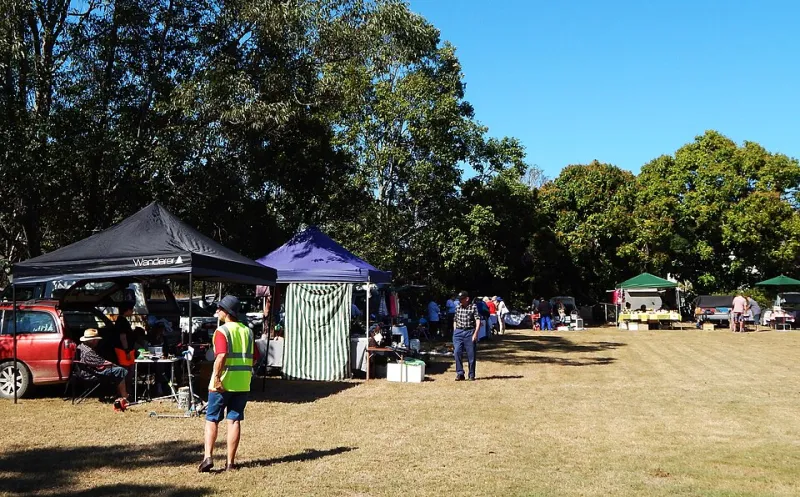
Photo: RegionalQueenslander, CC BY-SA 4.0, via Wikimedia Commons
Every few weeks someone posts a photograph of a woodland camp kit laid out like a jeweller's window: matching pouches, a folding saw with a walnut handle, a titanium pot that cost more than my first car. It is lovely. It is also, for most people, pointless.
I have been quietly testing this for a while now. The question was simple: what does a safe, honest, genuinely useful weekend setup actually cost if you source almost all of it from car boot sales, charity shops, and the less glamorous end of a hardware shop? The answer, so far, is under fifty pounds. Not including petrol and a bacon roll.
The rules I set myself
Nothing new except the four items I'll come to. No buying a boot-sale knife from a bucket and telling myself it'll be fine. Every cheap item gets field-tested before it goes anywhere remote. And no pretending a two-pound tarp is the same as a proper one — I want cheap kit that works, not cheap kit that flatters the experiment.
Where the boot sale beats the outdoors shop
Car boots and charity shops are excellent at four things: steel, wool, canvas, and tools with a history.
Enamel and stainless billy cans turn up constantly, usually alongside boxes of cake tins nobody wants. Wool blankets are the great undervalued asset of the British second-hand market — heavy, warm when damp, and frequently three pounds. Dutch ovens, cast pans and old kettles go for prices that suggest the seller has never boiled water outdoors in their life.
That is the shape of the whole challenge: buy the boring, heavy, long-lived things second-hand, and spend your new money on the bits where a failure is dangerous rather than disappointing.
The four things I will not buy cheap
- A knife. A decent fixed-blade from a known maker, new, with a proper sheath, is fifteen to twenty-five pounds and will outlast you. Bucket knives with no maker and no steel spec are the single most common bad buy at any car boot in Britain.
- First aid. Fresh, complete, and in a waterproof bag. Not a rusty tin from a glovebox.
- A way to make fire that you trust. Cheap lighters are fine — buy three and keep one dry. Ignition is not the place for romance.
- Water treatment. Purification tablets cost very little and weigh nothing. A filter costs more but pays you back. Do not drink untreated water from a British lowland stream because a YouTube man did.
The scrounge list, with real numbers
Prices from a season of Sunday mornings, rounded and honest:
- Billy can, enamel or stainless, charity shop: £2–4
- Wool blanket, heavy, slightly nibbled at one corner: £3–6
- Canvas tarp or cotton groundsheet, sometimes sold as a curtain: £5–10
- Trangia-style stove, used, missing a pan: £8–12
- Steel mug and a spoon, boot sale, sold as a pair: £1
- Cordage, real paracord from a surplus stall: £3
- Head torch, second hand, batteries not included: £3
- Saw, folding, second-hand but sharp: £6
- Dry bag or roll-top stuff sack: £2
- Old wool jumper for a sleeping layer, charity shop: £2
Add the knife, tablets, first aid and a decent lighter and you land somewhere between forty and fifty pounds. Sleep system is the hard part — a boot-sale mat is usually dead foam, so budget for a cheap closed-cell mat new at around twelve pounds and borrow or buy a second-hand bag you can actually test.
How to test a two-pound billy can
Buy it, take it home, and be unkind to it.
Fill it with water, boil it hard for ten minutes, and watch the seams and handle rivets. Enamel chips are fine; a handle that flexes when hot is not. Then boil again, empty it, and drop it a foot onto grass. Then take it out in the rain and light a fire with it, because the failure mode you care about is not the pan, it is you standing in a wet wood with no hot water and no plan B.
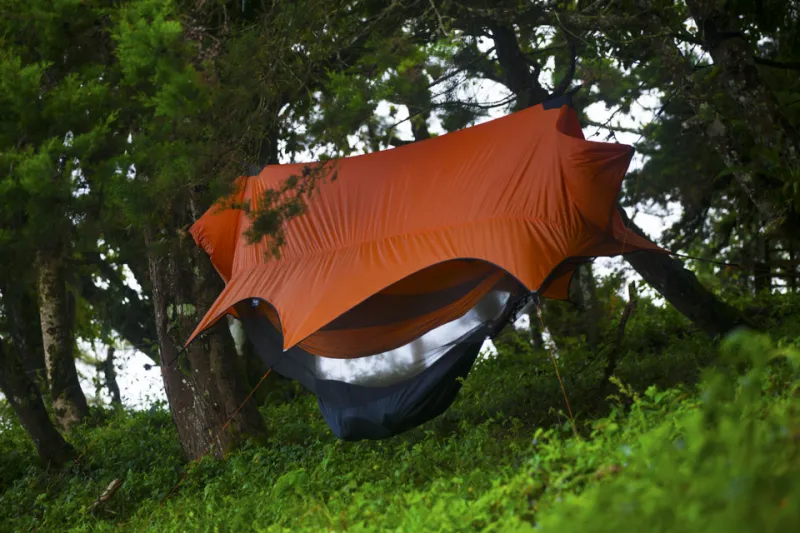
Do the same with everything. Fill the dry bag with a jumper and dunk it in the bath. Hang the tarp in the garden and leave it through a night of British weather — that is the only test that matters. Wear the wool jumper through a cold, damp evening before you rely on it.
Where cheap kit quietly fails
Some things go wrong slowly, and slowly is worse.
Unbranded 'paracord' that is really just woven plastic will stretch, slip and fail under load. Second-hand tarps that have gone stiff and cracked will leak along the fold lines. Cheap LED torches lose their seals and fog up. And any fabric sold as waterproof that has never been proofed will soak through in twenty minutes of proper rain.
The fix is not to spend more. It is to test at home, in daylight, within walking distance of a kettle, before you trust it in a wood in November.
What the fifty quid actually buys
It buys a setup where every item has been handled, boiled, hung, or slept under — which is more than most people can say about a bag of shiny new gear. It buys permission to be a bit rough with things. And it buys the odd moment of quiet smugness when someone at a campsite admires your frypan and you remember it cost two pounds and came with a free cake tin.
If you take one thing from this: cheaper kit, tested harder. That is a better use of a weekend than a bigger credit card bill.