The Bothy Handover: Leaving a Shelter Fit for the Next Stranger
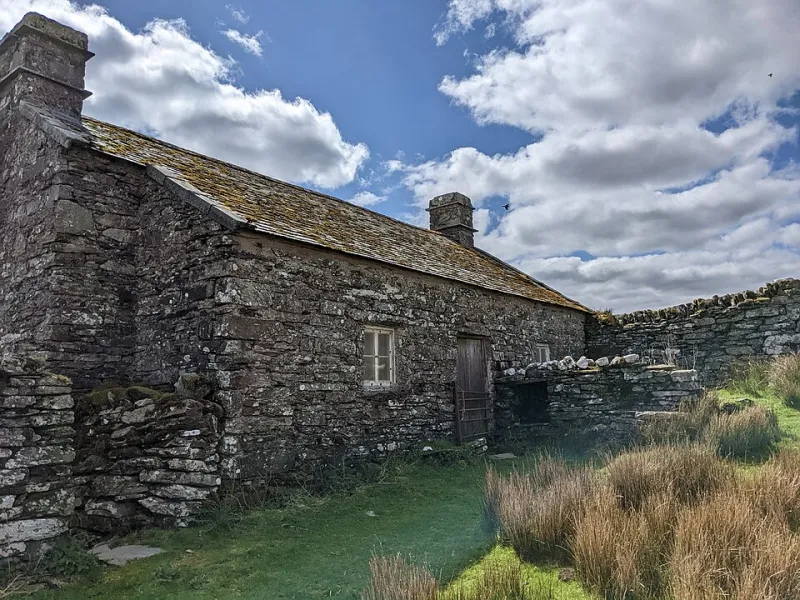
Photo: David Medcalf , CC BY-SA 2.0, via Wikimedia Commons
A bothy can feel like a small miracle when the rain is coming sideways and the light is going. Four walls, a roof, maybe a bench and a fireplace: suddenly the night has a shape you can manage. But the bargain is not simply that shelter is free. The bargain is that you pay for it in care, in restraint and in the small habits that keep the place usable for the next person who arrives wet and tired.
That is the bit hotel habits miss. A hotel expects you to leave the towels in the bath and someone else to deal with the rest. A bothy expects you to leave the floor swept, the rubbish gone and the door latched. The shelter is shared, not staffed.
First, Know What You Are Walking Into
Britain's bothies are not a single, uniform thing. Many are maintained by the Mountain Bothies Association, some sit on private estates, and others are simple shelters with local arrangements attached. Before you go, check the current guidance for the specific building, not just a cheerful pin on a map. Look for notices about closures, estate work, stalking, lambing, parking and access tracks. A bothy being free does not mean the surrounding land has no rules or no working life.
In Scotland, access rights are broad, but bothies still sit within a working landscape. In England and Wales, check whether the route and shelter rely on permissive access. Park where you are not blocking a gate, a passing place or a forestry track. Arrive quietly. Leave the car as if a landowner might need to get past at any hour, because they might.
The Group Size Question
A bothy is not a venue. It is a small building with a big job. If your group is large enough to fill every sleeping space before anyone else arrives, you are no longer sharing; you are occupying. Keep numbers sensible, check current advice for the building, and be willing to split into smaller parties or camp nearby if the place is already busy.
If someone turns up late, make room. Move your kit, tighten your pitch, shift a sleeping mat. The person who walks in at dusk deserves the same basic welcome you wanted. Noise carries strangely in a stone box, so keep the late-night chat low and the headtorch beam pointed at the floor.
Fuel Is Not a Freebie
One of the quickest ways to wear out a bothy is to treat its fireplace as a free fuel supply. Use a stove as your default. If fires are allowed and there is a proper fireplace, keep it small and use fuel you have carried in. Do not strip deadwood from the surrounding wood. That deadwood is habitat, soil food and cover for insects and birds, and it is not there to make your evening cosy.
Check local notices before lighting anything. Some bothies ask for no fires at all. Others allow them only in the hearth. Never leave a fire smouldering when you sleep or leave. Do not fill the grate with damp logs and hope. A cold, clean hearth is better than a smoky, half-burned mess for the next arrival.
Food, Smells and Small Visitors
Cook outside or near the door where you can. Keep food sealed and off the floor. Do not leave leftovers as a gift for the next person; a bothy is not a larder, and crumbs invite mice, rats and bigger visitors. Pack out every scrap of packaging, including the bits that seem too small to matter.
Wash up away from the building and well away from any water source. Use as little soap as you can and never tip greasy water into a burn. If you carry in a treat, carry out the evidence. The unwritten code is not complicated: arrive with what you need and leave with what you brought, plus a little extra rubbish if you find some.
Damp, Midges and the Door
Damp is the bothy's default weather. Ventilation helps more than a roaring fire. Crack a window or vent if there is one, and do not drape soaking kit over the stove or hearth. Hang wet things outside under cover if you can, or keep them in a porch or bag. A bothy full of steam and drying socks is a miserable place to sleep.
Midge season adds its own discipline. Keep the door closed, use a headnet, and avoid heavy perfumes or lotions. Do not fill the room with coils or sprays in a way that makes the air thick for everyone else. If you are cooking, do it outside. If you are coming in wet, try to leave the worst of the mud at the step.
The Cleaning Routine That Counts
Before you go, do a slow lap of the room. Sweep the floor. Wipe the table. Check under bunks and behind the door. Collect every crumb, bottle cap, tea bag and bit of cord. Close the door and latch it properly. Report damage if there is a system for doing so. If you moved a bench or a bunk, put it back.
Do not leave clutter as a kindness. A half-burned candle, a broken mug or a bag of mystery food is not a gift; it is a job for someone else. The best thing you can leave is a shelter that looks as if it is waiting, not as if it has just been abandoned.
Toilets, Water and the Last Ten Minutes
Most bothies have no toilet. Dig a small hole well away from the building, paths and water, then cover it. Carry out paper and anything else that will not break down. Treat all drinking water unless you have a reliable reason not to. The bothy bargain includes not fouling the places that make the shelter worth having.
In the last ten minutes, think like the next walker. They may arrive in the dark, soaked and low on patience. They will not care that you carried your fuel or swept the floor, but they will feel it. That is the handover. The bothy is not yours, and it is not theirs. It is a loan from everyone who kept it decent before you, and the rent is paid in small, unglamorous habits.