When the Light Quits Early: A Dusk Drill for the British Winter Wood
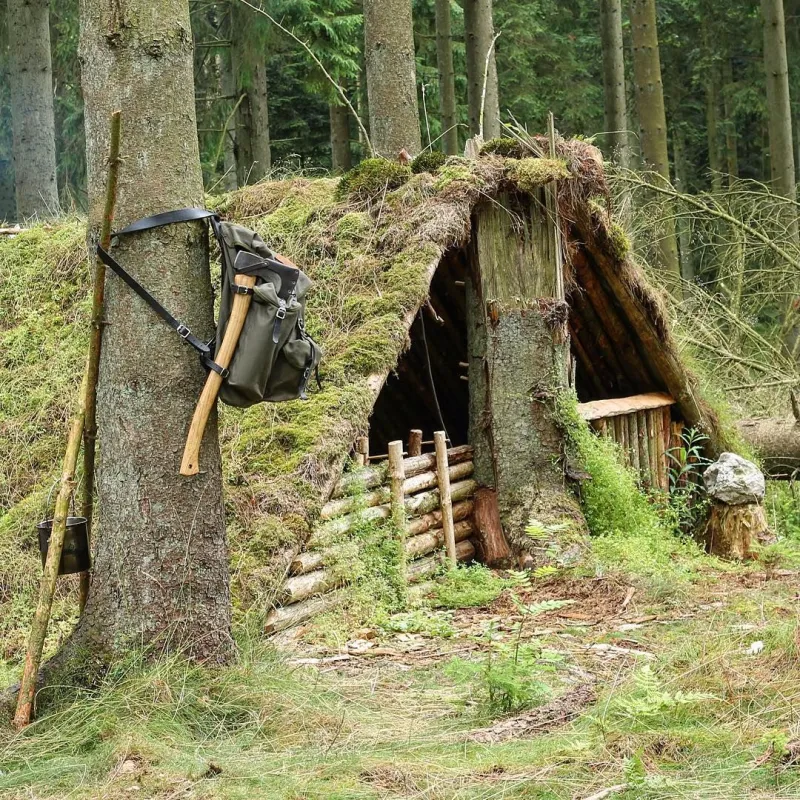
Photo: bushcraft fire lighting at dusk in British woodland with headtorch, via s-media-cache-ak0.pinimg.com
By half past three on a damp November afternoon, the wood has already lost its colour. By four it is blue-grey, and by half four you are working by torchlight whether you planned to or not. That is the reality of the British winter, and it is exactly why this is the best time of year to sharpen your skills.
This is not a survival course. It is a small, repeatable drill for weekend explorers who want to stay capable when the day closes in early. Run it once a month through the winter of 2026 and summer will feel like easy mode.
Why the short day is a free training ground
Summer bushcraft is forgiving. You can fumble a tinder bundle at nine in the evening and still see what you are doing. Winter hides nothing. Fine motor skills fall apart in the cold, knots get fiddly, and a badly chosen pitch turns into a puddle by five. That is not a reason to stay indoors — it is a reason to practise when the stakes are low and the consequences are just a wet knee and a lesson learned.
There is a low-impact argument here too. A capable person in the dark makes fewer mistakes: fewer hacked branches, fewer half-built fires, fewer abandoned shelters. Competence is quieter on the land than enthusiasm.
The drill: ninety minutes, three jobs
Pick a wood you know, or a local copse where you have the landowner's permission. Arrive with enough time to do the useful work in daylight, then finish in twilight on purpose. Three jobs only: fire prep, shelter check, navigation. No cooking project, no whittling marathon.
One: fire prep before your fingers are cold
Do the fiddly work first, while you can still see fine detail.
- Gather tinder from fallen material: dry birch bark peeled from dead branches on the ground, dead grass, seed heads, inner bark from a windblown branch. Never strip a standing tree.
- Sort into three piles — tinder, pencil-thin, thumb-thick. Resist the urge to build a bonfire; this is a preparation exercise.
- Keep your tinder in a pocket, not on the damp ground. A chest pocket is a drying cupboard.
- Strike the ferro rod with gloves on, then off. Then try it with cold hands after standing still for ten minutes. That is the version that counts.
- Light the bundle, let it take for a minute, then put it out properly and scatter the cold ash. The point is the prep, not the blaze.
Two: shelter check with a torch
- Look up before you look down. Dead limbs overhead are the classic winter campsite mistake, and they are harder to spot in gloom.
- Press a heel into the soil where you would sleep. If water pools in the print, move.
- Check your tarp lines in the dark. If you cannot find your guy lines by torchlight, neither can anyone walking past. Reflective cord and low, visible lines are a courtesy.
- Use tree-friendly straps, never nails or cut branches. If you would not do it in June, do not do it because it is dark.
- Mud is a route marker. Step on roots and stones where you can, and avoid widening a boggy path into a trench.
Three: navigation as the light fades
- Take a bearing while you can still read the map without a torch, then follow it in twilight.
- Pace out 100 metres and count your steps. Do it again on rougher ground. This is the skill that gets you home when the path vanishes.
- Pick a handrail — a wall, a stream, a forestry ride — and use it deliberately rather than hoping.
- Note the exit. Where is the gate? Where is the ditch? Which bit of track turns to soup after rain? Mark it in your head while you can see it.
- Switch to red light early. It preserves your night vision and stops you blinding everyone else in the car park.
Cold hands, wet gloves, filthy boots
Fine work fails in the cold long before morale does. Wear a thin liner glove for knots and fire prep, and carry a dry spare pair in a pocket rather than the bottom of your pack. Warm your hands before you start on cordage, not after you have fumbled it three times. Do not blow on your fingers — breath is wet, and wet is cold.
For the walk, gaiters and a pole earn their keep in November. Spare socks in the pack are not a luxury. And slow down in mud: the extra thirty seconds are cheaper than a twisted ankle in the dark.
Keeping it low-impact after dark
- Light a fire only where it is permitted. Use an established fire scar or a stove, and keep it small.
- Take dead, downed wood only. Standing deadwood is habitat, not fuel.
- Scatter cold ash, carry out anything that will not rot, and leave the pitch looking untouched.
- One path in, one path out. Do not fan out across wet ground just because you cannot see it.
- If in doubt, do not light it. A flask and a headtorch are a perfectly valid night out.
The short kit list
Headtorch with spare batteries and a red mode, ferro rod, folding saw, tarp and cord, compass and map, liner gloves plus a dry spare pair, sit mat, flask, small first aid kit, and a bin bag for anything that should not be left behind.
Debrief in the car park
Before you drive off, answer three questions. What took longest? What did you forget? What did you do that left a mark on the wood? Write the answers on your phone while your hands are still cold and the memory is honest. Next drill, fix one thing.
Dark by four is not a limit. It is a timetable. Learn to work with it and the rest of the year becomes a gift.