Sit Tight, Tread Light: Camping for Wildlife When the Wood Slows Down
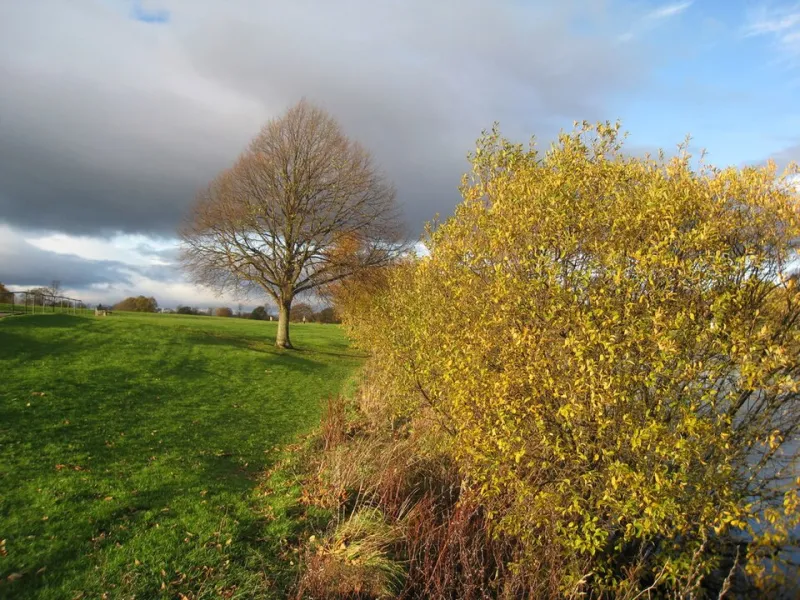
Photo: Jonathan Thacker , CC BY-SA 2.0, via Wikimedia Commons
November has a reputation problem. The leaves are down, the light is thin, and the wood can feel like it has packed up and gone home. It hasn't. It has simply pulled its shoulders in. The animals are still there, working the same edges and runs, but they are doing it with less noise and more caution. For a camper, that is an invitation to stop treating the wood as a route and start treating it as a neighbourhood.
This is not a numbers game. You are not trying to tick off species like train numbers. The aim is simpler and harder: pitch quietly, sit still, stay warm, and let the place carry on around you. The best sightings in late autumn usually arrive when you have stopped crashing about and started paying attention.
Pick a Pitch That Isn't a Front Door
A good wild camp in November starts before you unpack. Look at where you are standing. Is it a clear ride with tussocky edges? A flat patch beside a pond? A gap in the trees where several faint paths meet? Those are not convenient campsites. They are corridors, feeding edges and doorways.
Try to pitch on ground that is already bare and hard-wearing, well back from water, dense cover and obvious animal runs. Leave the mossy hummocks, the deep leaf litter and the root plates alone. They look cosy to you and they are somebody's larder, bedroom or motorway. If the spot feels like a thoroughfare, it probably is. Move on twenty metres and the whole night changes.
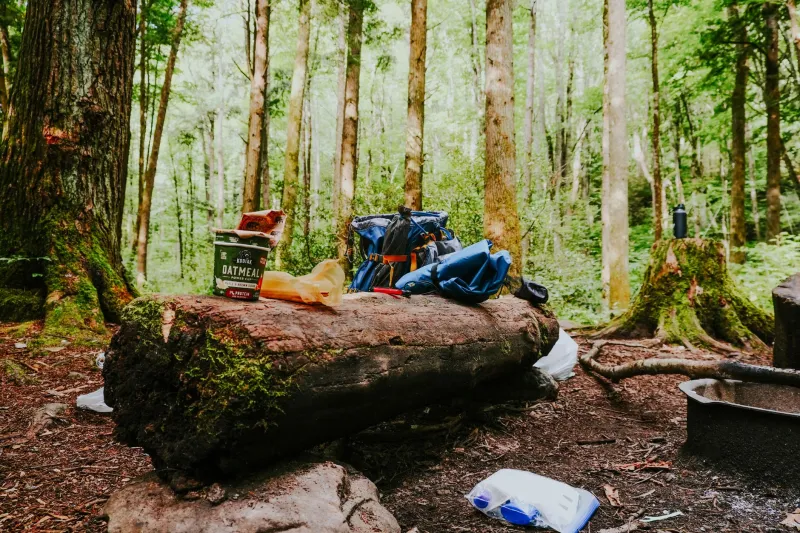
Keep your footprint small. A low tarp or a one-person bivvy is easier to place lightly than a palace of nylon. Use existing clearings rather than clearing your own. And resist the urge to improve the pitch with cut branches or a tidy-up. In a November wood, tidiness is usually damage.
Read the Mud Before You Unroll Anything
Late autumn is a good time for tracks because the ground is either soft, damp or covered in a fresh layer of leaves. Look for the obvious stuff first: deer slots in the mud, badger prints on a well-worn path, the neat two-part pads of a fox. Then look closer. Chewed hazelnuts with neat little toothmarks mean small rodents have been at work. Stripped pine cones in a heap are the sign of a squirrel's lunch spot. An owl pellet at the base of a tree is not a gruesome trophy; it is a clue about what hunts here after dark.
Use these signs to decide where not to camp. Fresh tracks leading into a dense thicket are a hint that something is using it regularly. A well-worn run under a fallen branch is not a path for you. Step back, take a note, and keep your distance. Fieldcraft is mostly admin: looking, noting, and not blundering in.
Keep the light low while you do this. A red headtorch on its dimmest setting is enough to read the ground and sort your kit. A sweeping white beam turns a quiet wood into a stage and sends everything with legs back into cover. If you need a proper look at a print, use a small hand torch aimed down, not out.
Stay Warm Enough to Stay Still
Stillness is the skill that pays. But you will not sit still for long if your feet are cold and your back is against the wind. November camping is a layering game: a decent base layer, a warm mid-layer, a windproof shell, and a sit mat that stops the ground stealing your heat. A flask of something hot does more for wildlife watching than any gadget.
Choose a sheltered spot with a view of an edge, a clearing or a ride, but not so close that you are blocking it. Sit low. Keep your movements slow and few. If you must use a stove, use it early and keep it quiet; a blazing fire is a lovely thing, but it is also a beacon. In many British woods, a small stove and a bit of discipline are the better call anyway.
Use dim light sparingly after dusk. Eat before the light goes, sort your kit before the light goes, and then let the dark do its work. Your ears will pick up more than your eyes. A tawny owl calling, the rustle of a wood mouse in the leaf litter, the soft thump of a muntjac moving through bracken: these are the moments you came for. They do not need a spotlight.
Know When to Back Off
Wildlife watching has a simple rule: if the animal changes what it is doing because of you, you are too close. A roe deer lifting its head and staring is not posing. A badger going still at the sett entrance is not curious. A bird giving an alarm call is telling you to leave. The right response is to retreat the way you came, quietly and without drama.
Do not feed anything. Do not play recordings to pull birds in. Do not creep closer for a photo. Late autumn is a lean time for many animals, and disturbance costs energy they cannot spare. The best sighting is the one you did not force. If you sit tight, stay warm and keep your distance, the wood will often offer you more than you expected.
Leave the Quiet Exactly as You Found It
Low-impact camping is not just about packing out your litter, though you should do that too. It is about not rearranging the place. Do not cut standing deadwood. Do not move stones to make a fire ring. Do not mark trees. Keep your group small, keep your voice low, and leave the pitch looking like nobody slept there. Clean your boots before and after if you are moving between woods, because muddy boots can carry trouble from one place to another.
November is a gift for this kind of camping. The crowds have thinned, the midges have gone, and the wood is honest about its own quiet business. Go in with a small kit, a warm flask and no great plan. Pick a pitch that is not a front door, read the mud, sit still, and know when to back off. The wood is not empty. You just have to be quiet enough to notice.