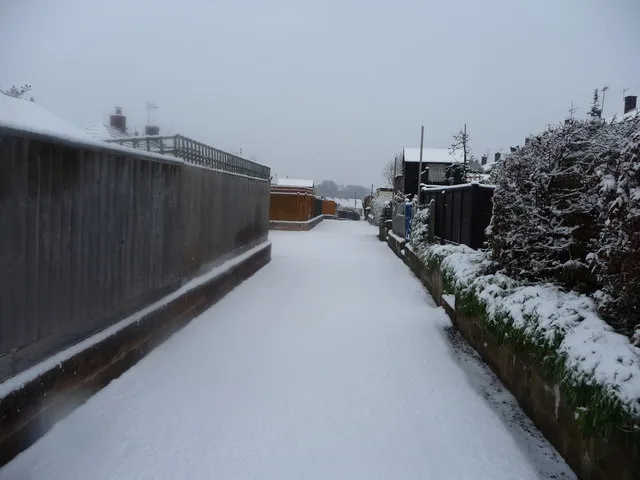
The Low Ground Is a Liar: Choosing a Pitch on a Frosty British Night
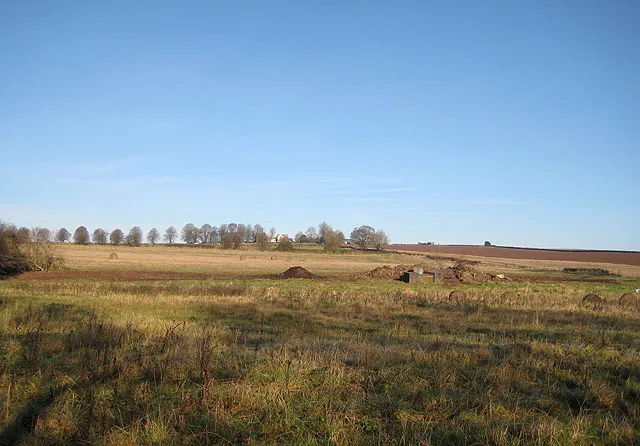
Photo: Pauline Eccles, CC BY-SA 2.0, via Wikimedia Commons
There is a particular kind of flat ground in a British valley that looks made for a tent. It sits at the bottom of a slope, often beside a stream or at the edge of a field, and it has that soft, even, inviting look. On a clear November evening it can also be the coldest place for half a mile. Cold air is not spread evenly across a landscape. It moves, gathers and pools, and the low flat spot is often where it comes to rest.
That does not mean you need a laboratory or a stack of instruments to choose a better pitch. You need to read the shape of the land, notice what is growing on it, and spend ten minutes at dusk doing a simple check. The aim is not to find a balmy microclimate in the British hills. It is to avoid the obvious frost pocket and pick a pitch that is a few degrees kinder, while leaving the ground as you found it.
Cold air behaves like water
On a still, clear night, the ground loses heat quickly. Air touching it cools, becomes denser and slides downhill, following the same lines water would take. It collects in hollows, behind banks, at the foot of walls and in the bottom of valleys. Meteorologists call these frost pockets, and they can be surprisingly local. Two pitches a hundred metres apart may differ by several degrees.
Wind changes the picture. A breezy night mixes the air and can break up a cold pool, but it brings its own problems. The real frost-pocket nights are often the quiet ones, when the sky clears and the valley goes still. That is when the low ground becomes a trap. The flat pitch that felt sheltered at four in the afternoon may feel like a different climate by ten.
Read the shape before the view
Start with the slope. A concave slope, one that curves inward like a bowl, gathers cold air. A convex slope, one that bulges outward, sheds it. The ideal is often a gentle bench or shoulder partway up a hillside: flat enough to sleep on, high enough to be out of the drainage line, and not so exposed that you are fighting the wind all night.
Look for the obvious collectors. The bottom of a gully, the corner where two hedges meet, the base of a dry-stone wall and the lowest edge of a field are all places where cold air can sit. So is the flat ground beside a stream, even if the stream itself is not in flood. Damp ground and cold ground often go together, and a boggy hollow is both a poor pitch and a fragile one.
Aspect matters too, though it is not the whole story. In the UK, a south or west-facing slope catches more of the low winter sun and tends to warm earlier. A north or east-facing slope can hold the cold longer. But do not rely on aspect alone. A south-facing hollow is still a hollow, and cold air will gather in it just the same.
Vegetation is a cold map
Plants tell you what the ground is like over a season, not just on the day you arrive. Rushes, sedges, tussocky grass and thick moss often point to wet, poorly drained ground that will be cold and easily damaged. Stunted hawthorn, lichen-covered branches and a general look of hard living can suggest a frosty spot that gets hit regularly.
Field edges need a bit of care. A hedgerow gives shelter, and the lee side can be noticeably warmer than open ground when there is a wind. But the base of the hedge can also be a runnel for cold air, and the roots and soil are easily Compacted. A better bet is often a few paces out from the hedge, on slightly higher, drier ground, rather than tucked right into the drip line.
Do not clear vegetation to make a pitch. If the only flat spot is a patch of moss, rushes or fragile grass, it is not the right spot. Wild camping in the UK is a privilege in some places and a grey area in others; either way, the ground does not need another scar.
The last-light ankle test
Before you unpack, run a simple dusk check. It takes ten minutes and costs nothing.
Stand still in your candidate pitch and pay attention to your ankles. Cold air pools low, so the first sign of a frost pocket is often cold feet and warm face. Walk a short line from the lowest ground to the nearest shoulder, staying on paths or durable ground where you can. Notice where the cold seems to lie around your boots. Shine a torch low across the grass. Mist gathering at ankle height, or frost already forming in one patch while the ground a few metres up is clear, is useful information.
If you carry a small thermometer, compare the reading at boot-top height with the reading at chest height. Give it a few minutes to settle. A difference of two or three degrees is worth paying attention to. You can also compare two pitches: the flat hollow and the mid-slope bench. The warmer one is not always the higher one, but it is rarely the lowest.
Do this from the edge of sensitive ground, not by tramping all over it. The test is about reading the land, not testing it to destruction.
Pitch for the cold, not just the view
Once you have found a likely spot, set up with the cold in mind. Choose a slight rise or a convex bench rather than the very bottom of the slope. Keep away from the base of walls and hedges, and avoid anywhere that feels damp underfoot. A pitch that is a little exposed to the breeze may be warmer than a still hollow, but a ridge top is rarely comfortable in a British winter.
Keep your footprint small. Use an existing bare patch if there is one, avoid digging drainage channels, and do not strip turf or break branches for comfort. A warmer pitch is no good if it costs the ground more than it gives you.
The low ground is a liar because it looks easy. The better pitch is often the one that asks you to walk a few minutes further and read the slope. On a frosty night, that small effort is usually repaid in sleep.