Clear Water, Bad Bet: A Woodland Water Plan for British Weekends
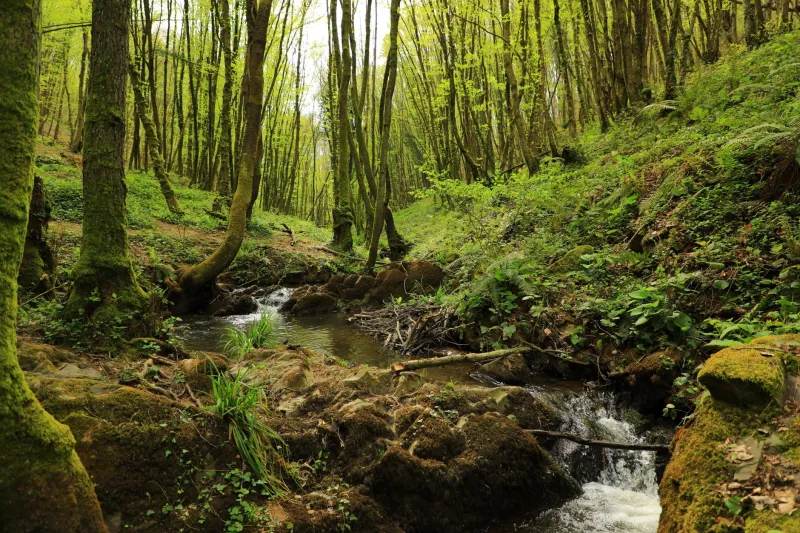
There is a particular kind of thirst that only arrives in a wood. You have walked in, set up, boiled the first brew, and then notice the bottle is lighter than you thought. The nearest stream looks lovely: tea-brown over gravel, ferns leaning in, a dipper bobbing about. It is very tempting to scoop and drink. It is also a good way to cut a weekend short.
British woodland water is not automatically safe because it is moving, cold or clear. It is not automatically safe because it is far from a car park. And it is certainly not safe because it looks like the sort of water that appears in a whisky advert. A sensible water plan is less about trusting the landscape and more about reading it, drawing from it gently, and treating what you take.
First, Read the Landscape
Start by asking where the water has been before it reached you. A stream in a lowland wood may look wild, but upstream there could be a farmyard, a road drain, a septic outflow or a field of livestock. An upland beck is often cleaner, but peat staining can make it look stronger than it is, and old mine workings can leave a chemistry problem that no filter will fix. Foam, rainbow sheen, blue-green algae, a dead sheep upstream, or a smell that makes you step back are all reasons to walk on.
Springs deserve respect rather than blind faith. A spring is simply groundwater reaching the surface, sometimes after a short and uncertain journey through soil, roots and who knows what. It may be cleaner than a standing pool, but it is not sterile. Puddles and stagnant pools are the bottom of the list: warm, shallow, exposed to animal traffic, and prone to collecting whatever the wood has washed into them. Treat them as an emergency source, not a convenience.
A useful rule is to match your effort to your doubt. If the source is questionable, do not try to persuade yourself it is fine. Carry more water in, plan a resupply, or move camp. The thirsty wood is not a challenge to be beaten. It is a place to be read carefully.
Draw Without Making a Mess
Low-impact water collection is mostly about not behaving like a digger. Use an existing bank access point rather than trampling a new path through moss and sedge. Reach out with a clean container or a short length of food-grade tubing rather than wading in. Fill from moving water without scraping the bed; sediment clogs filters and stirs up whatever was settled. If the bank is steep, kneel on a mat or a dry bag rather than grinding the edge into mud.
Take only what you need for the next stretch. A full 10-litre haul is heavy, and half of it often gets poured away at the end of the trip. Keep your collecting container separate from your drinking bottle. Never wash pots, hands or teeth at the source, and never tip soapy water or food scraps into it. Carry wash water at least 30 metres away, preferably 60, and dispose of it on durable ground well away from the waterline. Other people and wildlife are downstream of your habits.
A Treatment Kit That Earns Its Place
My preference is a three-part system: filter, boil, chemical backup. Each covers a different weakness.
A hollow-fibre filter around 0.1 micron is the workhorse. It removes bacteria and protozoa, and it makes questionable water much more pleasant to handle. Use a pre-filter cloth over the intake to keep grit out, and backflush the filter as the maker instructs. Remember that a filter is not a purifier by default. It will not remove dissolved chemicals, and it is not a licence to drink from a ditch.
Boiling is the reliable fallback. Bring water to a rolling boil for at least one minute, and let it cool covered. This deals with the biological side very well. It does nothing for chemical contamination, which is why source selection still matters. Boiling also uses fuel, so it suits a brew-and-flask routine rather than endless pot-washing.
Chemical treatment is the belt-and-braces option. Chlorine dioxide tablets are the usual choice for a backup kit because they are light and effective against a broad range of nasties, though they need the stated contact time and work poorly in very cold or cloudy water. Use them as a backup, not as an excuse to skip the filter or the boil when you have the means.
Clear Does Not Mean Clean
A woodland stream can carry Cryptosporidium, Giardia, E. coli and other unwelcome passengers. Leptospirosis, spread by rat urine, is a real concern in some British lowland and farmland settings, particularly where water is warm and slow. The fact that you cannot see any of this is the point. A taste test is a fantasy. Smell is not a laboratory. Clear water is simply water with fewer visible particles in it.
Containers matter too. Label one bottle raw and one treated, and do not mix them up in the dark. Rinse and air-dry containers between trips. A scummy bottle can undo good treatment. Keep the cap and thread clean, because that is where hands and grit meet.
Camp Hygiene Is Part of Water Treatment
Most water problems on a weekend camp are not dramatic. They come from small shortcuts: unwashed hands, a shared cup, dishwater poured near the pitch, a raw-water bottle used for a swig. Keep a small bottle of hand sanitiser with the water kit and use it after collecting and before eating. Strain food bits from washing-up water and scatter the water well away from the source. Dig toilet holes at least 60 metres from water, and further if the ground is sloping towards it.
If you are filtering for a group, make one person responsible for collection and treatment. It sounds fussy; it is actually just calm. A routine prevents the classic mistake of someone filling a drinking bottle from the raw container because it was nearer.
A Simple Weekend Routine
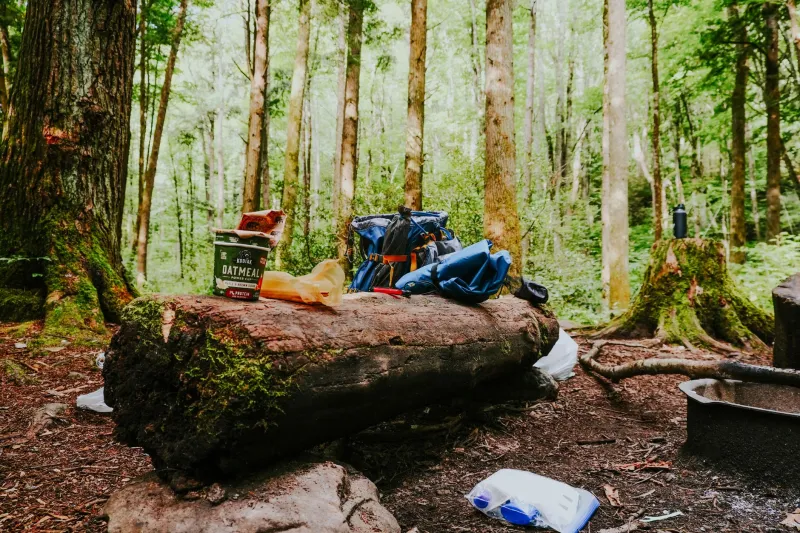
At camp, identify your source before you are thirsty. Collect raw water in a dedicated container, pre-filter it through cloth, then filter it into a clean vessel. Boil what you need for hot drinks and cooking, and keep chemical tablets for the moment when the filter clogs or the weather turns feral. Store treated water out of the sun and label it clearly. At the end of the trip, carry out any rubbish, including filter packaging and used tablets, and leave the bank looking as though you were never there.
None of this is complicated. It is just a refusal to gamble. The British wood gives you water, but it does not owe you a safe drink. Read the source, draw lightly, treat properly, and the weekend stays about the wood rather than the consequences.