The Pocket Kitchen: Hot Food in Woods Where Flames Don't Belong
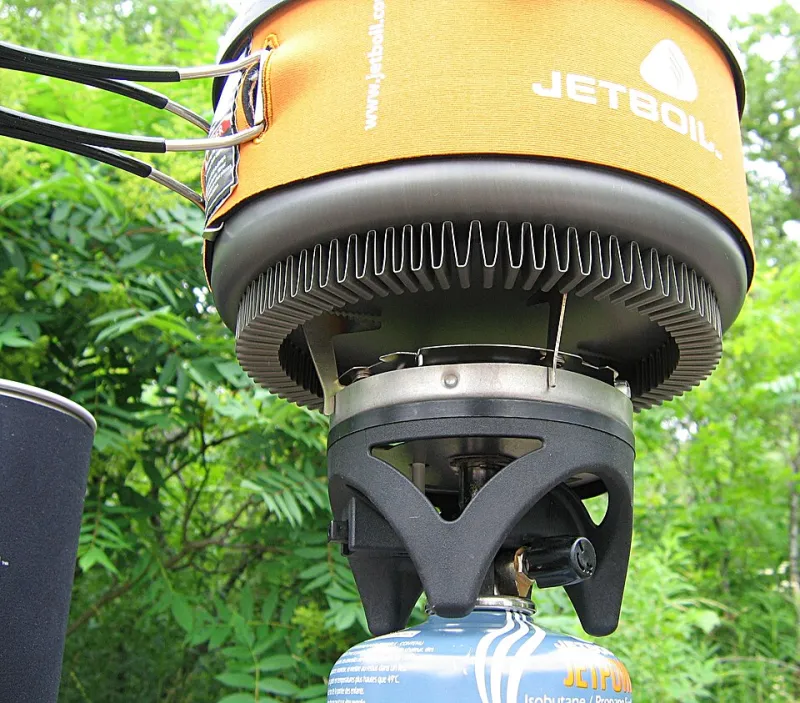
Photo: Original photo: Michael Pereckas on Flickr Modified by Gazebo on February 3, 2015 with the addition of comment and XMP-cc:License metadata and the removal of JPEG IFD1 (thumbnail) metadata., CC BY 2.0, via Wikimedia Commons
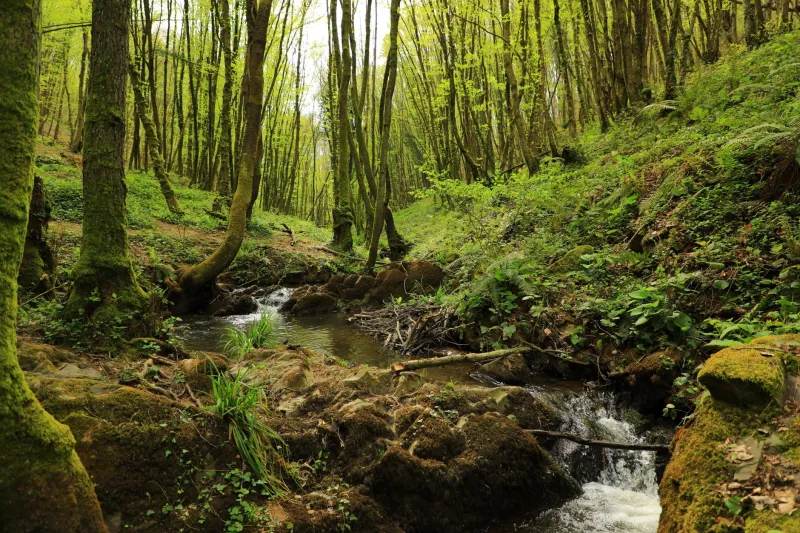
There is a particular kind of hunger that arrives in a British wood around half past three in November. The light has gone flat, the damp is working through your sleeves, and your body starts lobbying hard for something hot. This is the moment when a fire feels less like a choice and more like a right. It is also the moment when a lot of good pitches get marked for no good reason.
In many woods, flames are banned outright. In others they are discouraged, or the ground is peat, or the leaf litter is tinder, or the wind is doing that thing where it changes its mind every thirty seconds. A stove is not a sad compromise in these places. It is the smarter tool: contained, predictable and easy to pack out without leaving a black eye on the woodland floor.
First, the decision: flame or stove?
Before you unpack anything, run a quick honesty check. If the answer to any of these is yes, leave the fire idea alone and reach for the stove.
- The landowner or managing body says no fires. That includes many Forestry England sites, National Trust land and plenty of private woods.
- The ground is peat, thick root mat, dry bracken or deep leaf mould.
- The wind is strong enough to carry sparks, or gusty enough to make a stable cooking spot a fantasy.
- You are tired, it is nearly dark, and you have not scouted a proper fire site.
- You only need to boil water and heat one pot. A fire is a lot of theatre for a job a stove does in four minutes.
A flame is a commitment. A stove is a decision you can reverse. In a wood where the point is to leave things wild, that reversibility matters.
The kit that earns its place
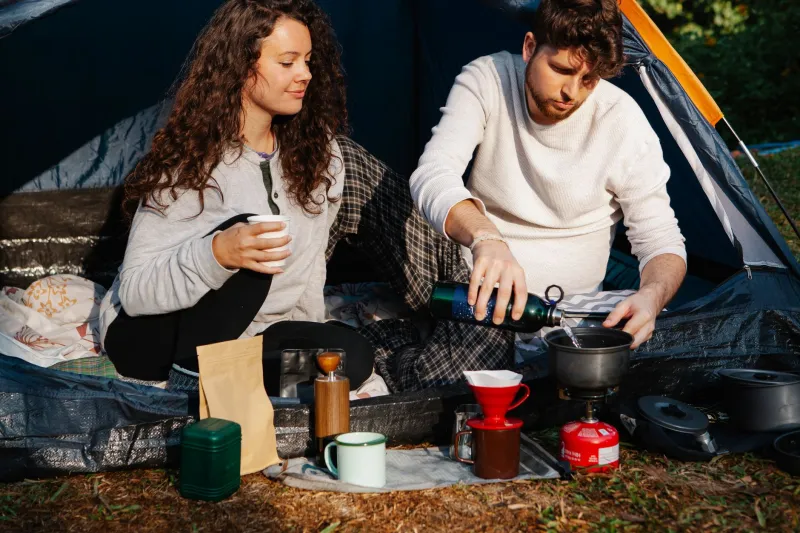
You do not need a expedition-grade kitchen. You need a small, reliable system you understand. For most British weekend trips, a canister stove or a meths burner will do the job. Canister stoves are fast and easy to control. Meths burners are quieter and slower, and they feel less frantic in a small wood. Either way, build the kit around the same principles.
A windshield is not optional. It is the difference between a quick brew and a long, sulky stand-off with the breeze. A heat-proof mat under the stove protects the ground from radiant heat and accidental spills. A pot with a lid saves fuel. A long-handled spoon, a cloth, a lighter and a ferro rod as backup, and a dedicated rubbish bag complete the picture.
Think about the surface you are cooking on. A flat rock can be useful, but it can also crack if it is wet or has been sitting in cold ground. A purpose-made mat, or a folded piece of heavy foil used again and again, is lighter and kinder. Do not dig a trench. Do not build a ring of stones. Do not clear a patch of woodland to make your kitchen look tidy.
Wind is the thief
Most fuel waste in British woods is not caused by bad stoves. It is caused by wind. A breeze that feels mild at head height can be a different animal at ground level, especially in a clearing or beside water. Look for a natural shelter: the lee side of a tussock, a bank, a dense stand of trees. Use your windshield properly, but do not wrap it so tightly that the stove overheats. Never cook inside a tent or a closed vestibule. Carbon monoxide does not care how cold you are.
If the wind is really pushing, lower your ambitions. Boil water for a hot drink and a dehydrated meal. Save the two-pot pasta project for a calmer evening. A hot meal is a morale tool, not a test of stubbornness.
Fuel maths for a weekend
Cold weather makes canisters behave like they are sulking. Pressure drops, flames get lazy, and the last third of a canister can feel like a rumour. Keep the canister out of the worst cold before use, and accept that a winter weekend will use more gas than a summer one. As a rough guide, a 100g canister will not give you endless brews. Plan for one hot meal and a couple of drinks per person per day, then take a spare canister or a lighter backup stove if the trip matters.
Meths is easier to judge: measure it, don't guess it. A small measuring cup takes up almost no space and stops you tipping in half a bottle for one pot of porridge. Whatever fuel you use, carry it out. Empty canisters, meths bottles and used matches are not woodland furniture.
A simple weekend menu
Keep it one-pot and keep it honest. Friday night: pasta with a pouch of tomato and lentil soup, a handful of dried mushrooms and a pinch of chilli. Saturday breakfast: porridge with dried fruit and a spoon of peanut butter. Saturday dinner: red lentil dhal made with stock powder, curry spices and a splash of oil, eaten with flatbreads warmed on the pot lid. Sunday breakfast: coffee and a final round of porridge. Lunch is cold: cheese, oatcakes, fruit, nuts.
This is not restaurant food. It is hot, salty, filling and designed to use one pot and one stove. That is the point. The best woodland meal is the one you actually cook, not the one you talk about while eating a sad sandwich in the dark.
Pack-out discipline
Cooking clean is only half the job. The other half is leaving no trace that you ever had a kitchen. Strain washing-up water through a cloth and scatter it well away from water sources. Pack out tea bags, food scraps, foil, wrappers and anything that looks like it might biodegrade. In a British wood, it probably won't do so fast enough to justify leaving it.
Use the heat-proof mat every time, even when you think the ground is safe. A stove that has been running for ten minutes can scorch moss, melt a nylon groundsheet or leave a mark that lasts longer than your visit. The mat is not fussiness. It is basic manners.
The clean-cook checklist
- Check the rules for the wood before you leave the house.
- Take a stove, fuel, windshield, heat-proof mat and lighter.
- Choose a pitch away from roots, peat and dry leaf litter.
- Cook outside the tent, always.
- Measure fuel rather than guessing.
- Keep the menu one-pot and simple.
- Pack out every scrap, wrapper and empty canister.
A hot meal in a cold wood is one of the small, good things about being outdoors in Britain. It does not need a fire to be real. It needs a bit of planning, a protected patch of ground and the discipline to leave the wood as you found it. The flame can stay at home. The dinner still tastes better outside.