Platform to Pitch: A Car-Free Overnight in the British Woods
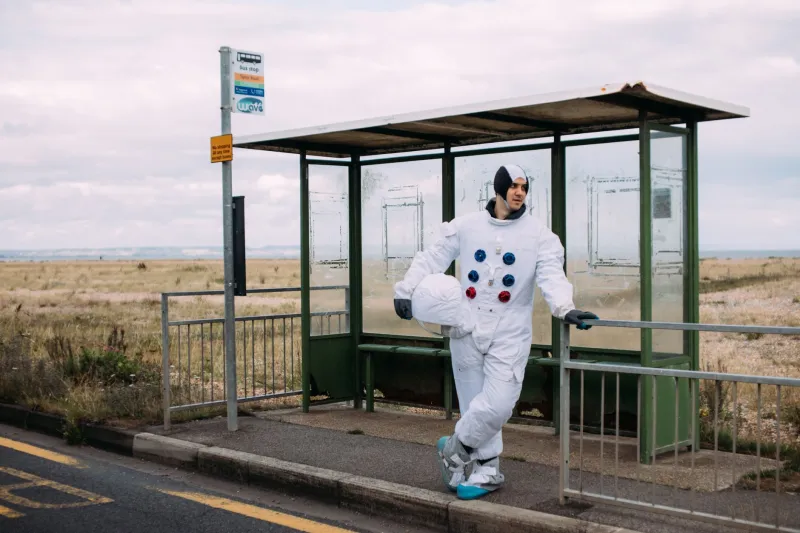
There is a particular kind of quiet that arrives when you step off a bus at a village crossroads, watch it shrink back down the lane, and realise the rest of the journey is yours to walk. No car door thud, no boot full of kit, no quiet sense that you have brought half the house with you. Just a rucksack, a footpath and a timetable that will eventually want you back.
Car-free bushcraft overnights are not a heroic endurance test. They are logistics with a sleeping bag attached. Done well, they cut the miles driven, slow the journey down and make you pay attention to the bits between the station and the trees. Done badly, they end with a dark lane, a missed last bus and an expensive taxi. The difference is mostly planning.
Start With the Timetable, Not the Tent
The first rule is simple: choose your return journey before you choose your pitch. British rural transport is thin, seasonal and occasionally imaginative in its interpretation of the word ‘timetable’. A Saturday service may not exist on a Sunday. A bank holiday can turn a useful bus into a rumour. Rail replacement coaches can add forty minutes and a new level of character-building.
Use the National Rail journey planner for the train, then check the actual operator’s site for engineering works. For buses, use Traveline and the local operator’s PDF timetable if you can find it — PDFs tend to be more honest than aggregator apps about whether the 17:42 runs in winter. Phone the pub or village shop if you are unsure about a connection. People are usually happy to tell you what the bus is really like.
Aim for a route with more than one possible exit. A station within walking distance is gold. A village with a taxi number is useful. A bus stop that only sees three buses a day is workable, but it should not be your only plan. And write down the last service on the day you are actually travelling, not the day you booked the idea into your head.
The Rucksack Rule: If You Can’t Carry It on a Bus, It Stays Home
A car-free trip imposes a useful discipline. Everything goes on your back, and you may have to stand in a bus aisle while a pensioner gives your tarp a suspicious look. That tends to sort the essential from the ornamental.
Think compact and boring. A tarp or small tent that you have pitched before, a sleeping mat, a bag rated for the season, a simple stove or cold food, one pot, a headtorch, water, a basic first-aid kit and a way to carry out every scrap of waste. Leave the axe at home. Leave the folding chair, the cast-iron pan and the spare ‘just in case’ outfit. One small luxury is fine — a proper coffee, a paperback, a hip flask — but only one.
Check operator rules before you travel, especially for fuel and sharp items, and keep your pack light enough to walk a couple of miles with it. If you cannot carry it comfortably on a bus and then up a footpath, it is not coming. That is not a limitation. It is the point.
Arrive Before Dark Is a Skill, Not a Suggestion
In a British wood, dusk is not a gentle fade. It is a switch. In winter it can be dark by half four, and a footpath that looked obvious on the map becomes a puzzle of mud, stiles and indistinct gates. Aim to arrive at your chosen area with at least an hour and a half of usable light left. That gives you time to walk in, find a sensible pitch, check for deadwood and fragile ground, and get shelter up without headtorch theatre.
Mark your map with the bus stop, the footpath junction and a couple of bail-out points. Use what3words for the stop and for a safe meeting point, but keep any sensitive woodland location out of public posts. Check the access rules where you are going — Scotland’s right to roam is not the same as England’s footpath network — and stay on legal paths and access land. If the walk in is longer than you thought, turn around. The last bus will not wait while you prove a point.
A Route Plan That Fits on One Page
Keep it simple enough to read in a bus shelter.
- Outbound: station, bus number, departure and arrival times, operator, ticket type.
- Walk-in: distance, expected time, OS map sheet, key turns, water sources.
- Light: sunset, dusk, headtorch check.
- Return: exact stop, last bus on weekdays, Saturday and Sunday, plus one alternative.
- Bail-out: nearest station, taxi number, pub or shop, phone signal blackspots.
- Kit: shelter, sleep, water, food, waste bag, warm layer, battery bank.
- Leave no trace: pitch check, cold ash, food scraps, tea bags, litter.
Send that plan to someone at home. It takes five minutes and saves a lot of imaginative worrying.
The Exit Matters More Than the Entrance
Leaving is where a car-free trip earns its keep. Give yourself a buffer. Pack up earlier than you think you need to, walk out at a steady pace and arrive at the stop with time to spare. Check the ground where you slept: no forgotten guy lines, no orange peel, no tea bags tucked under a root. Pack out all waste, including the bits that ‘will break down’. If you used a stove, let it cool and deal with any ash properly. The wood should look like you were never there, minus the fact that you were.
When the Last Bus Doesn’t Come
Rural transport can fail. A bus can be cancelled, a connection can evaporate, a Sunday service can turn out not to exist. Have a fallback that does not involve sleeping rough at a bus stop in a way that alarms the parish council.
Carry a power bank, download offline maps, keep some cash and save the numbers of two local taxi firms. If you miss the last bus, get to a lit public place — a station, a pub, a village shop — and call for help. Do not start walking down an unlit A-road because the map says it is shorter. A missed connection is annoying. A missed connection handled badly is a problem.
The reward for all this faff is a trip that feels more like a journey and less like a transfer. You notice the lane, the hedge, the smell of wet leaves, the way the bus driver knows everyone by name. You drive fewer miles and pay more attention. The last bus is not the enemy of the adventure. It is the thing that gives the adventure its edges.