Muffled Zips and Mended Habits: Building a Sound-Conscious Camp in a British Wood
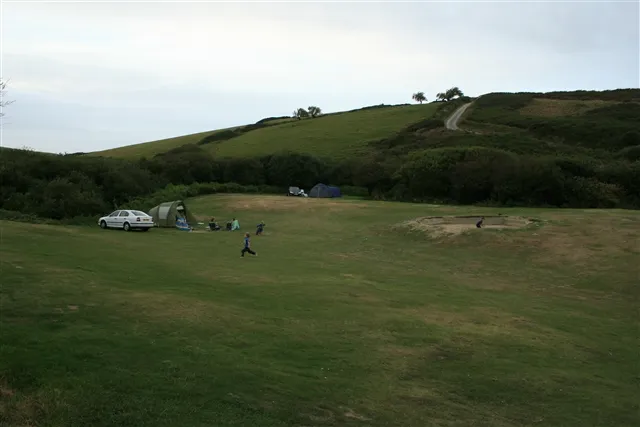
Photo: Katy Walters, CC BY-SA 2.0, via Wikimedia Commons
I once pitched in a Welsh oakwood where the loudest thing for an hour was a wren. Then a group arrived, car doors banged, a speaker came out, and someone began splitting kindling as if the wood owed them money. Nobody was being cruel. They were just treating sound as background noise rather than part of the kit. That is the mistake I want to unpick.
Sound is an impact. It is not as visible as a scorched fire ring or a discarded apple core, but it lands on wildlife, on other campers and on the people who grant access to the land. In a British wood, where cover is tight and edges are shared, noise carries further than most of us expect. The quiet camp is not about tiptoeing around like a Victorian ghost. It is about deciding what your camp sounds like before the wood decides for you.
Sound Is an Impact, Not a Vibe
Most bushcraft kit conversations revolve around steel, shelters and sleep systems. Fair enough. But a cheap radio at 11pm can disturb more than an expensive stove ever will. Loud voices across a clearing, unnecessary chopping, repeated zip openings and slammed stove lids all travel. In woodland, sound bounces off trunks and undergrowth in odd ways. A normal speaking voice can reach further than you think; a laugh is fine, but a shouted conversation is a choice.
Wildlife notices. Dawn and dusk are especially sensitive windows. Deer may be moving quietly through the edge, tawny owls may be calling, bats may be working the ride, and nesting birds may be sitting tight. You do not need a wildlife documentary script to understand that repeated human noise pushes animals away from an area. On shared access land, that matters. So does the experience of the person in the next pitch who came out for birdsong and got a podcast instead.
The Kit You Already Own
The quiet camp is mostly not a shopping list. It is a set of small rehearsals. Zips get opened slowly. Dry bags are packed at home so they do not rustle like crisp packets at 6am. Cutlery goes into a cloth. Stove lids are set down, not dropped. A saw replaces the axe where the job allows, and if you do need to process wood, you do it in daylight, in short bursts, with a clear reason. Every swing carries.
None of this requires a new brand. It requires a bit of self-awareness. If your camp sounds like a minor industrial estate, the problem is rarely the gear. It is the sequence. Pack the noisy jobs for daylight. Open the crinkly things before bed. Learn which zip pull needs two hands and which pocket can stay shut until morning.
Arrival: Park, Pause, Listen
A simple arrival drill sets the tone. Park considerately, close doors gently and do not turn the car park into a rally stage. Before you walk in, stop for sixty seconds and listen. Not in a performative way. Just listen. What is the baseline? Birds, wind, a distant road, water? That baseline tells you what your camp will be adding to.
Walk in with voices low enough that you do not have to shout to be heard. If you are in a group, agree a pitch plan before you leave the track. Hand signals are less romantic than they sound and considerably quieter than yelling across a clearing. Set up with the same economy. Guy lines can be tensioned without hammering. Tent poles can go in without a commentary. The first ten minutes are when most camps announce themselves, so make them count.
Pitch and Campcraft: Fewer Swings, More Sense
Choose a pitch that gives you and the wood a bit of room. Avoid sitting right beside a main path if you can, and keep the loud jobs away from water edges and dense cover where wildlife may be resting. If a fire is appropriate and allowed, keep it small and use it for a purpose rather than as a stage for a performance. A billy can bubbling quietly is a better sound than an axe being tested on a log for no clear reason.
This is where sound discipline overlaps with low-impact craft. The best campers I have shared woods with are not silent. They talk, laugh and cook. But they do not fill every gap. They stop to listen. They notice when a dog is getting too interested in a bush, or when a group has drifted into shout-range. They treat quiet as a form of respect rather than a restriction.
Evening: The Radio Test and the Ten-Minute Hush
Here is the drill I use. After dinner, before the night properly settles, sit down and do ten minutes with no talking and no devices. Just listen. You will hear more than you expect: the tick of the stove cooling, a robin winding down, wind in the canopy, maybe a plane you had stopped noticing. It is not a meditation exercise. It is a calibration. It reminds you how much sound your camp is making and how much the wood is making back.
After that, keep voices conversational. If you want music, use headphones. A speaker in a shared wood is not a neutral choice; it is a decision imposed on everyone within earshot. As a working rule, treat late evening and early morning as quiet hours, even where no sign says so. On shared access land, the courtesy is the point. The Countryside Code and the Scottish Outdoor Access Code both lean on the same idea in different words: enjoy the place without making it worse for others.
Dawn Departure: Leave Quietly
Dawn is not the time to conduct a full kit audit. Pack the night before where you can. Open zips slowly. Do not crash about looking for a missing spoon. If you are leaving early, leave early and leave gently. Check your pitch for anything you have dropped, then walk out at a pace that does not turn the car park into a scene from a heist film. A quiet departure is part of the camp, not an afterthought.
The Point Is Not Perfection
You will not manage a silent camp, and you should not try. Woods are for living in, not for performing reverence. Laugh, talk, cook, make a brew. But decide what the wood hears from you. The quiet camp is a skill, and like any skill it improves with practice. The wood does not need your soundtrack. It is already doing the sound design.